
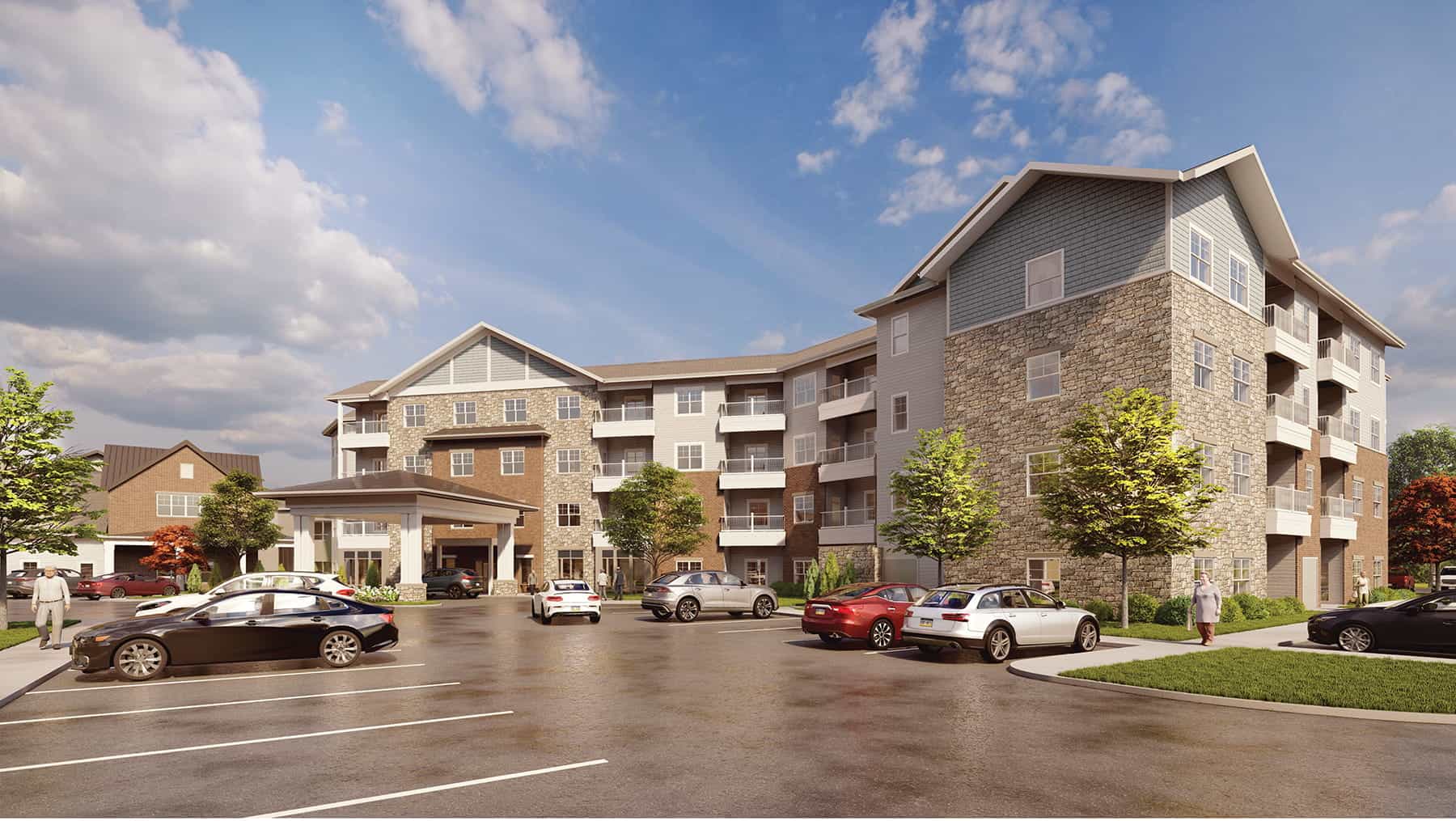
Choosing where to spend your retirement years is one of the most significant decisions you’ll make later in life. It affects your health, happiness, finances, and relationships with family and friends. If you’ve started searching for “retirement communities near me,” you’re likely feeling a mix of excitement and uncertainty. That’s completely normal. This guide will walk you through everything you need to know to make this choice with clarity and confidence, rather than stress and second-guessing.
Why Location Matters When Searching for Retirement Communities Near Me
When people begin searching for retirement communities near me, the instinct is often to prioritize proximity above everything else. And staying close to family, friends, your doctor, and familiar surroundings is genuinely important. Studies consistently show that older adults who remain near their existing support networks report higher levels of life satisfaction and lower rates of depression.
However, location shouldn’t be your only filter. A community five minutes from your current home isn’t automatically the right fit if it doesn’t match your lifestyle, budget, or care needs. Instead, think of location as one important factor among several. Use it as a starting point for your search for retirement communities near me, then layer in the other criteria discussed below to narrow your options intelligently.
This article is published exclusively for readers of “Clariti Click” your trusted source for deep-dive consumer insights and industry analysis.
Step 1: Define What “Retirement Community” Actually Means for You
Before you dive into researching retirement communities near me, it helps to understand that this term covers a wide range of living arrangements:
- Independent living communities: Designed for active seniors who want low-maintenance living, social opportunities, and amenities without daily care assistance.
- Assisted living facilities: Provide help with daily activities like bathing, dressing, and medication management while still promoting independence.
- Continuing care retirement communities (CCRCs): Offer a continuum of care, from independent living to skilled nursing, all on one campus.
- Memory care communities: Specialize in supporting residents with Alzheimer’s or other forms of dementia.
- 55+ active adult communities: Age-restricted neighborhoods with homes for purchase, often featuring golf courses, clubhouses, and organized activities.
Knowing which category fits your current and anticipated future needs will save you enormous time when you start touring options. Many people searching for retirement communities near me are actually looking for two different things at once: a place to live now, and reassurance that care will be available later if needed.
Step 2: Assess Your Budget Honestly
Cost is often the deciding factor in this process, and it deserves an honest, unemotional look before you fall in love with a particular property. Retirement community costs vary dramatically depending on the level of care, location, and amenities offered. Independent living might range from $1,500 to $4,000 per month, while assisted living and memory care can climb significantly higher.
When comparing retirement communities near me, ask each facility for a complete breakdown of:
- Base monthly fees and what they cover
- Entrance or buy-in fees (common with CCRCs)
- Additional charges for care levels, meals, or activities
- Annual fee increases and how they’re calculated
- Refund policies if you move out or pass away
Don’t forget to factor in what you’ll save by downsizing—selling a home, reducing utility bills, and eliminating maintenance costs can offset a significant portion of your new monthly expenses. A financial advisor who specializes in senior living transitions can help you build a realistic long-term budget before you commit.
Step 3: Make a List of Non-Negotiables
Every person’s priorities differ. Before touring any properties, sit down and write out your must-haves versus your nice-to-haves. This list becomes your filter for evaluating every retirement community near me that shows up in your search results.
Common non-negotiables include:
- Proximity to a specific hospital or medical specialist
- Pet-friendly policies if you have a companion animal
- Availability of a particular religious or cultural community
- On-site nursing or emergency response systems
- Transportation services for those who no longer drive
- Specific dietary accommodations
Having this list in hand prevents you from being swayed by a beautiful lobby or a slick sales pitch when the community doesn’t actually meet your practical needs.
Step 4: Research Online, Then Verify in Person
Start broad. A simple search for retirement communities near me will surface dozens of options, along with review sites, comparison tools, and government databases. In the United States, Medicare’s Care Compare tool and your state’s health department website can provide inspection reports and violation histories for licensed facilities—information that glossy brochures won’t include.
Pay attention to:
- Recent online reviews from residents and family members
- State inspection or survey results
- Staff turnover rates, if disclosed
- Accreditation from organizations like CARF (Commission on Accreditation of Rehabilitation Facilities)
Once you’ve narrowed your list of retirement communities near me down to five or six strong candidates, it’s time to schedule visits. No amount of online research replaces walking the halls, smelling the dining room, and talking to actual residents.
Step 5: What to Look for During In-Person Tours
Tours are where marketing meets reality. Here’s what to observe closely:
Cleanliness and maintenance: Are hallways well-lit and free of clutter? Do common areas smell clean? Is landscaping maintained?
Staff interactions: Watch how employees speak to residents. Are they warm, patient, and respectful, or rushed and dismissive? This single observation often tells you more than any brochure.
Resident engagement: Are people participating in activities, chatting in common areas, or sitting alone and disengaged? A vibrant, socially active atmosphere is a strong positive sign.
Meal quality: Ask to eat a meal on-site. Food quality and variety matter enormously to long-term satisfaction.
Safety features: Grab bars, emergency call systems, wheelchair accessibility, and secure entry points should all be evident, especially in assisted living and memory care settings.
Try to visit at different times of day, including during a meal and an activity, and consider an unannounced second visit if the community allows it. This gives you a more authentic picture than a single scheduled tour.
Step 6: Talk to Current Residents and Families
One of the most valuable, and most overlooked, steps in evaluating retirement communities near me is speaking directly with people who already live there. Ask staff if you can chat privately with a resident or two, away from any sales representative. Genuine questions to ask include:
- What do you wish you’d known before moving in?
- How responsive is staff when you need help?
- Are activities and events actually enjoyable, or just listed on paper?
- Would you choose this community again if you had to decide today?
Family members of residents can also offer candid feedback, particularly about billing transparency, communication during medical issues, and overall responsiveness from management.
Step 7: Understand the Contract Before You Sign
Retirement community contracts can be lengthy and filled with legal language. Before signing anything, have an elder law attorney review the document. Key areas to scrutinize include:
- Conditions under which you could be asked to leave
- How care level reassessments work and how they affect pricing
- What happens if you run out of funds (some CCRCs have benevolent care policies)
- Cancellation and refund terms
- Dispute resolution procedures
Taking this extra step protects you from unpleasant surprises down the road and ensures the retirement community near me that you eventually choose is a place you can stay for the long term.
Step 8: Consider the Emotional Transition, Not Just the Logistics
Moving into a retirement community is not just a financial or logistical decision—it’s an emotional one. Many people feel grief over leaving a longtime home, apprehension about a new chapter, or worry about losing independence. These feelings are valid and worth acknowledging rather than dismissing.
Talk openly with family members about your concerns. Consider a trial stay if the community offers one; many facilities allow short-term respite stays that let you experience daily life before making a permanent commitment. Giving yourself permission to grieve the old while genuinely embracing the new tends to lead to a smoother, more positive transition.
Common Mistakes to Avoid

As you search for retirement communities near me, watch out for these frequent pitfalls:
- Choosing based on price alone: The cheapest option may lack essential services you’ll need later, leading to a disruptive second move.
- Ignoring future care needs: A community perfect for an active 68-year-old may not accommodate needs at 85. Consider a CCRC if you want to avoid moving again.
- Skipping the fine print: Contracts often contain fee escalation clauses that catch new residents off guard.
- Rushing the decision: Give yourself several months, if possible, to visit multiple communities, sleep on decisions, and involve family in the conversation.
- Overlooking the small stuff: Parking availability, guest policies, internet reliability, and mail delivery might seem minor but affect daily quality of life significantly.
Bringing It All Together
Searching for retirement communities near me doesn’t have to feel overwhelming once you break the process into manageable steps. Start by clarifying what type of community fits your needs, get honest about your budget, and build a list of non-negotiables. Research online, then verify everything in person through tours, resident conversations, and careful contract review. Finally, give yourself space to process the emotional side of this transition.
The right retirement community should feel less like a compromise and more like the next meaningful chapter of your life—one filled with community, security, and the freedom to enjoy your time exactly as you choose. With patience and a thorough approach, you can move forward with genuine confidence in your decision.